Effective Solutions For Valgus Knees
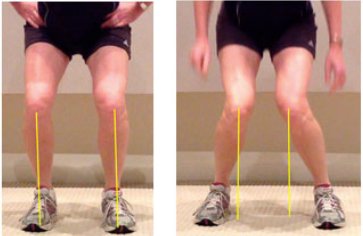
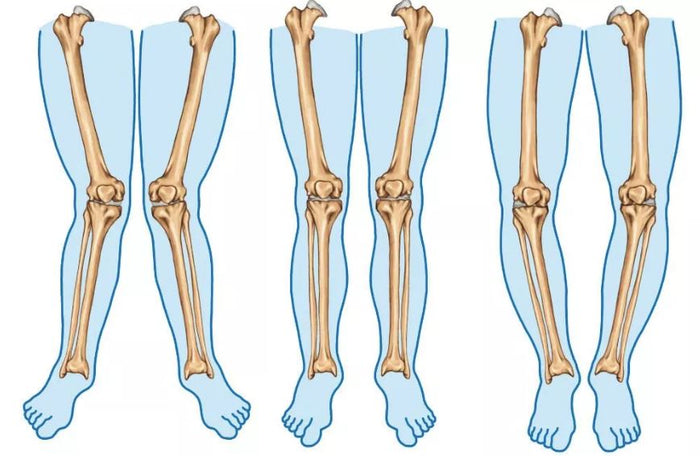
Valgus knees, characterized by a inward deviation of the knees when standing, can cause discomfort and impact daily activities (Hospital for Special Surgery). Whether you're an athlete, a fitness enthusiast, or someone dealing with the challenges of valgus knees, finding effective solutions is crucial. In this comprehensive guide, we will explore the causes and symptoms of valgus knees and delve into actionable solutions to alleviate pain, improve alignment, and enhance overall knee health. From exercises to lifestyle adjustments, we've got your knees covered.
Understanding Valgus Knees: Before delving into solutions, it's essential to understand what valgus knees are and what causes them:
- Anatomical Factors: Valgus knees may be influenced by genetic factors, where the shape of the bones predisposes an individual to knee misalignment.
- Muscle Imbalances: Weakness or tightness in certain muscle groups, such as the quadriceps or inner thigh muscles, can contribute to valgus knees.
- Injury History: Previous injuries, especially to the knee or hip, can affect joint alignment and contribute to valgus knees.
- Improper Footwear: Wearing shoes with inadequate arch support or high heels can exacerbate the problem.

Strengthening Exercises: Building strength in specific muscle groups can help correct valgus knee alignment. Incorporate the following exercises into your routine:
- Quadriceps Strengthening: Leg extensions, squats, and lunges can target the quadriceps, providing better knee stability.
- Inner Thigh Exercises: Adductor squeezes and leg raises can help strengthen the inner thigh muscles, supporting proper knee alignment.
- Hamstring Exercises: Strengthening the hamstrings, through exercises like leg curls, aids in overall knee stability.
- Glute Strengthening: Hip bridges and clamshells target the glutes, contributing to improved hip and knee alignment.
Stretching and Flexibility: Enhancing flexibility can alleviate tension and correct imbalances associated with valgus knees (National Institute of Health).
- IT Band Stretching: Stretch the iliotibial (IT) band to reduce tightness on the outer part of the knee.
- Calf Stretches: Stretching the calf muscles can indirectly impact knee alignment.
- Quadriceps and Hip Flexor Stretches: Maintain flexibility in the quadriceps and hip flexors to support proper knee function.
- Inner Thigh Stretches: Open up the inner thigh muscles to counteract tightness contributing to valgus knees.
Orthotic Solutions: Orthotic devices can provide additional support and alignment correction:
- Custom Insoles: Consult with a podiatrist to get custom-made insoles that address foot issues contributing to valgus knees or consider customizeable arch-support with SelectFlex insoles.
- Knee Braces: Some individuals may benefit from knee braces that provide external support and help maintain proper alignment during movement.
Footwear Considerations: Choosing the right footwear is crucial for individuals with valgus knees:
- Arch Support: Opt for shoes with proper arch support to promote healthy foot and knee alignment.
- Stability Shoes: Consider stability shoes that provide additional support for overpronation, a common contributor to valgus knees.
Lifestyle Adjustments: Making small changes in your daily routine can contribute to long-term knee health:
- Weight Management: Maintaining a healthy weight reduces stress on the knees.
- Proper Posture: Be mindful of your posture, as poor posture can contribute to knee misalignment.
Professional Guidance: If you're experiencing persistent pain or discomfort due to valgus knees, seek professional guidance from a physical therapist, orthopedic specialist, or podiatrist. They can provide personalized advice and interventions based on your specific condition.
Conclusion: Valgus knees can be managed effectively through a combination of targeted exercises, stretching, orthotic solutions, proper footwear, and lifestyle adjustments. By incorporating these solutions into your routine, you can alleviate pain, improve alignment, and enhance overall knee health. Remember, consistency is key, and it's always advisable to seek professional guidance for a tailored approach to your unique situation. Step into a pain-free future with these actionable solutions for valgus knees.
Consider Wearing SelectFlex Adjustable Orthotics to Help Relieve Your Valgus Knee Condition.
Follow Us